5 Timeless Ways to Incorporate Natural Slate into Modern Garden Designs
Modern garden design thrives on clean lines, contrasting textures, and materials that age gracefully against lush green foliage. Natural Welsh slate remains one of the most versatile materials available to UK landscape designers, offering an undeniable sense of permanence and understated luxury. Whether you are planning a complete overhaul or seeking to elevate a quiet corner of your plot, here are five enduring ways to incorporate natural slate into modern garden designs.
1. Create a Captivating Water Feature Focal Point
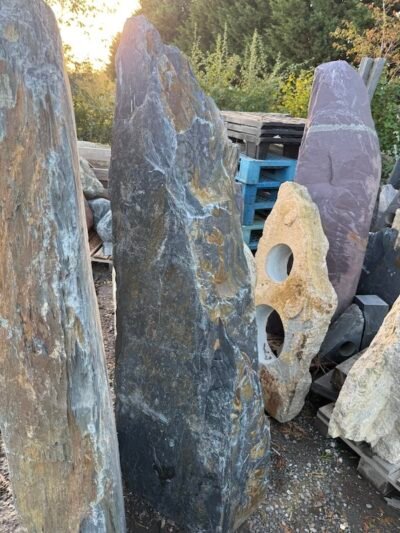
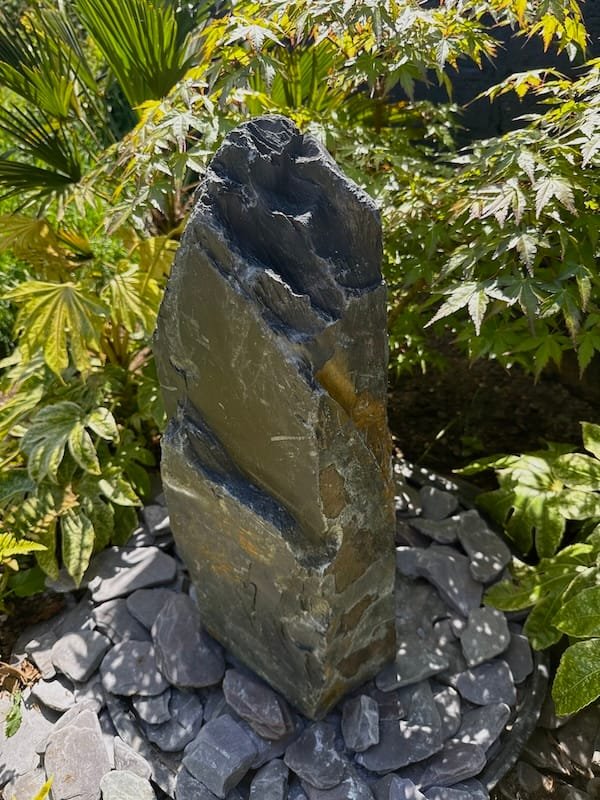
Water introduces sound, movement, and light reflection into a landscape, serving as a tranquil counterweight to architectural building lines. Positioning a drilled slate monolith or a self-contained slate bubbling feature within a gravel bed creates an immediate visual anchor.
The deep, dark tones of natural slate intensify when wet, shifting from subtle graphite shades to rich, glistening navy hues. Surrounding the base with smooth cobbles conceals the reservoir while keeping the aesthetic refined and contemporary.
2. Construct Sculptural Slate Monoliths and Vertical Accents
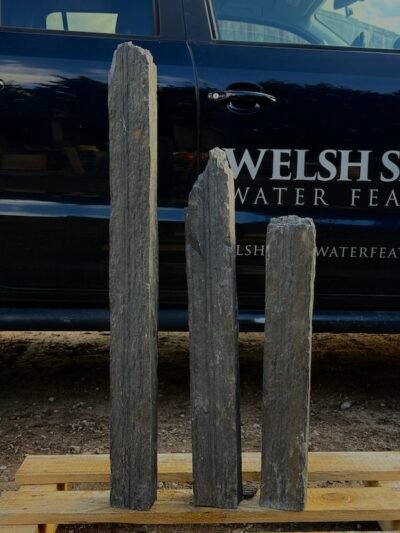
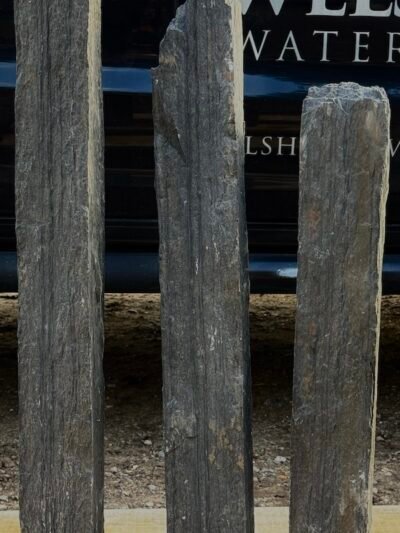
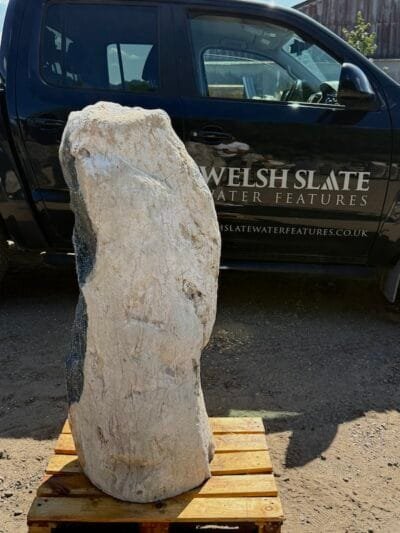
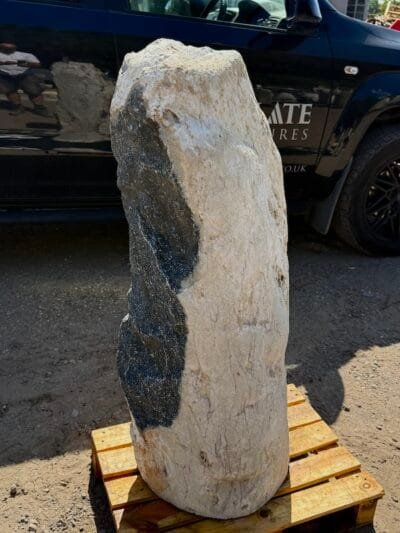
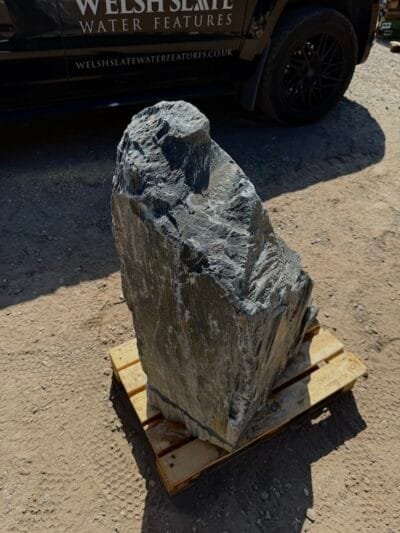
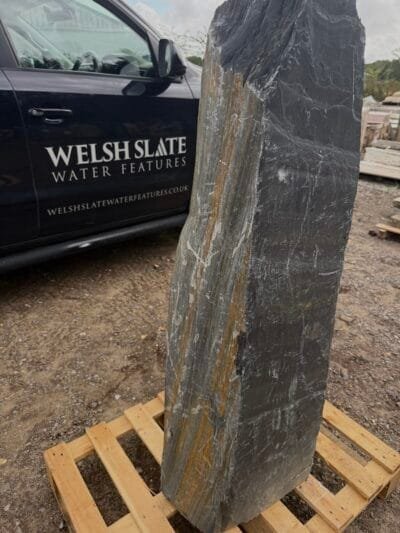
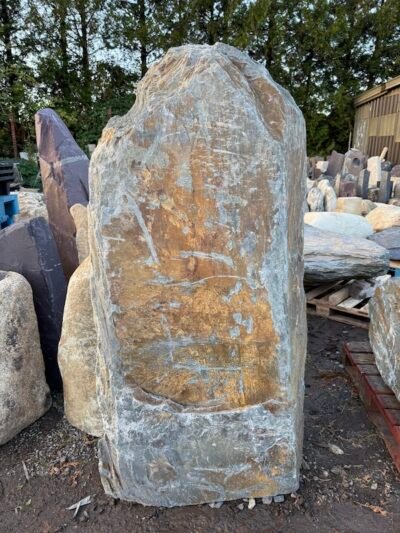
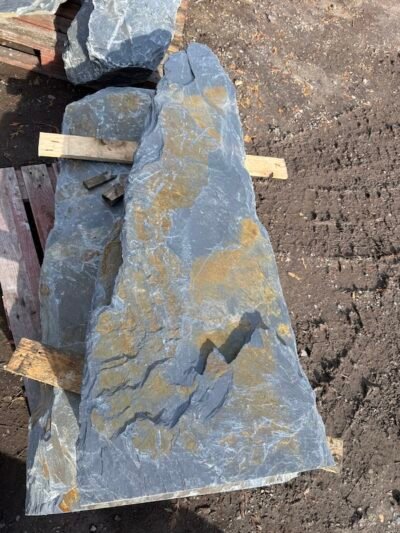
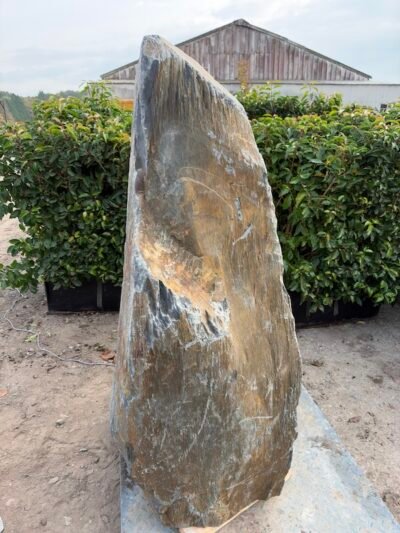
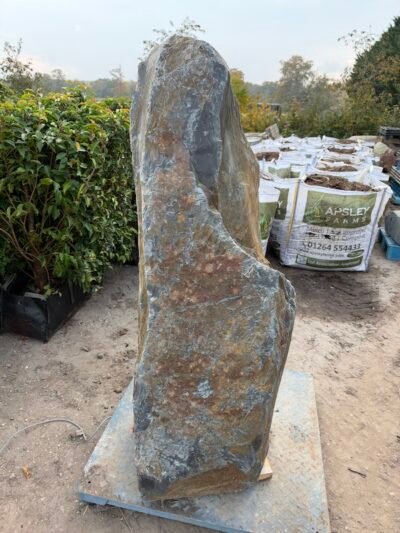
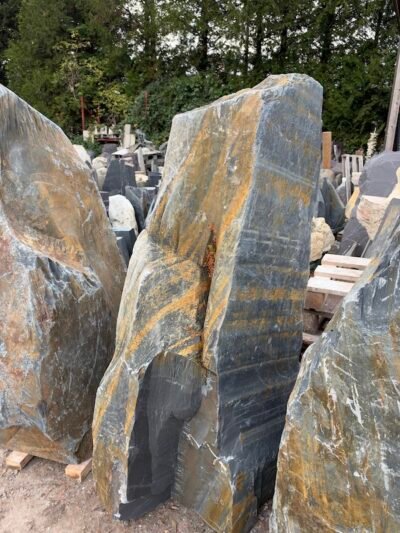
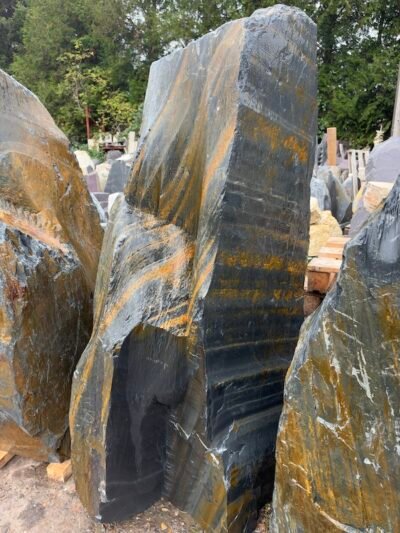
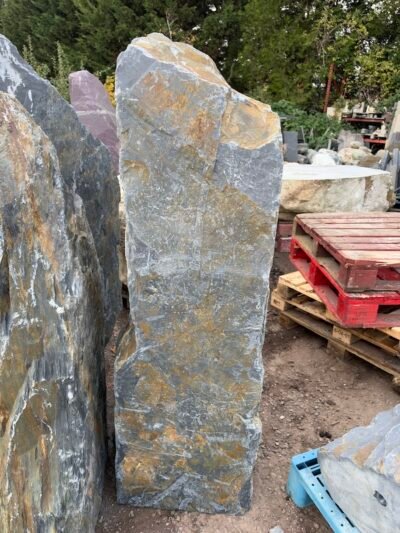
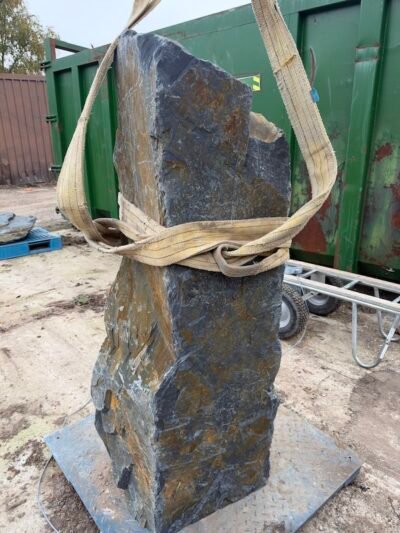
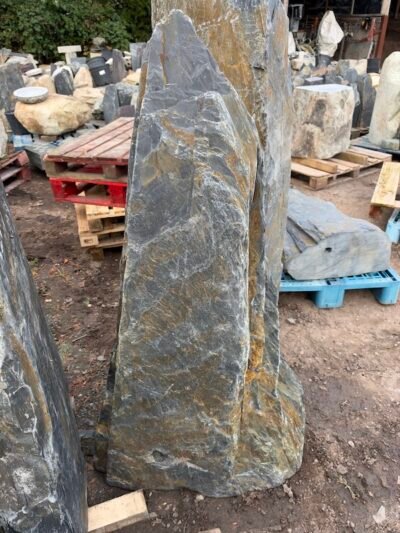
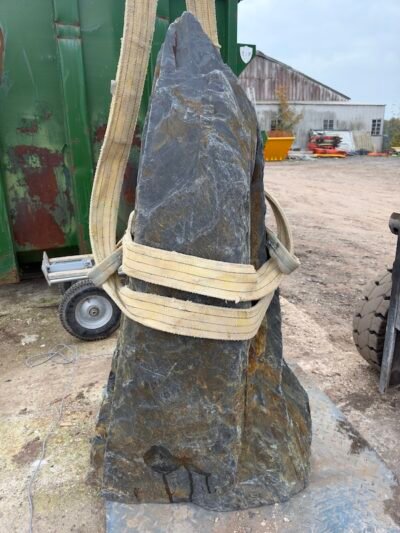
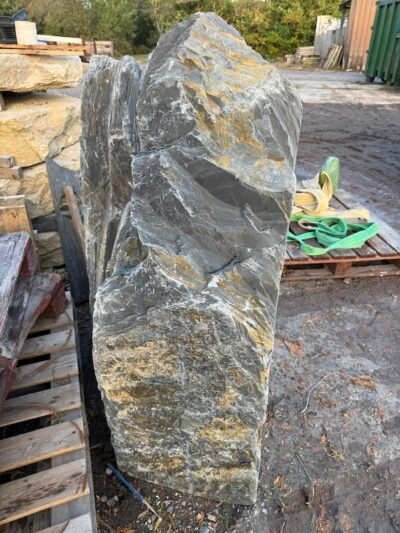
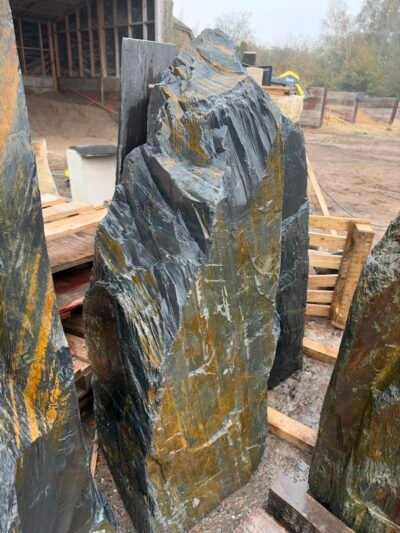
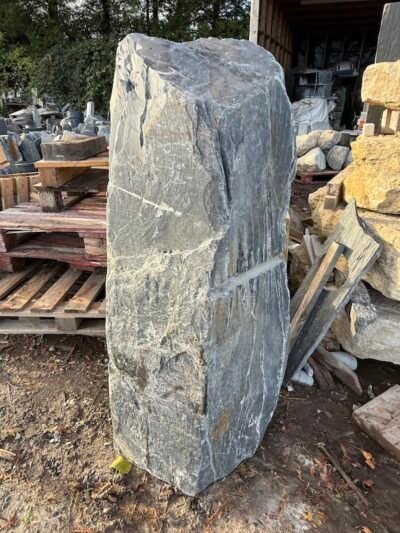
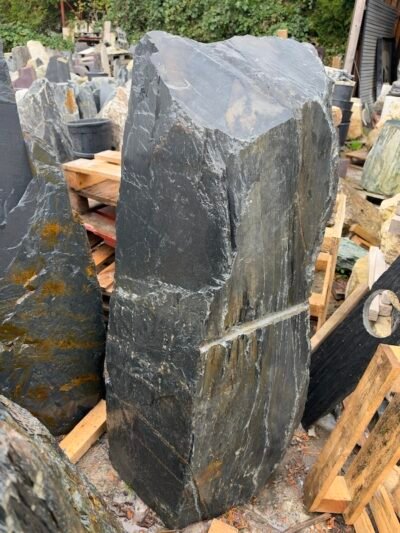
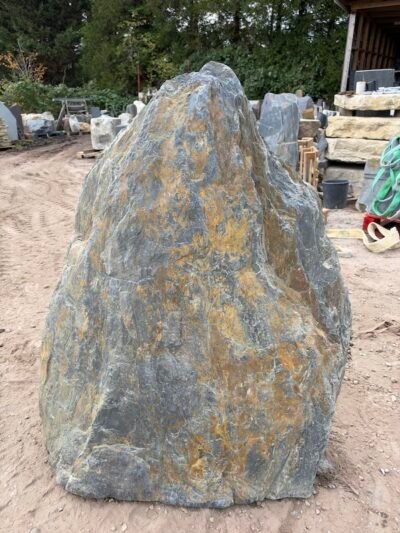
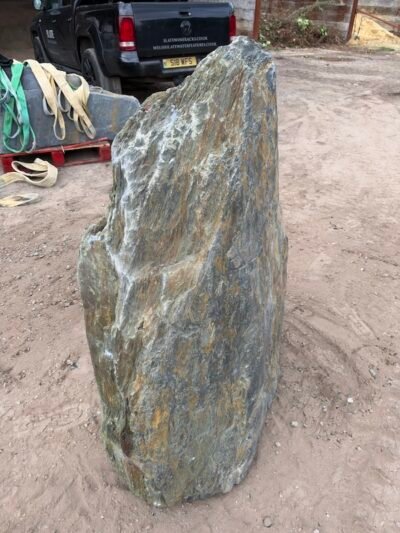
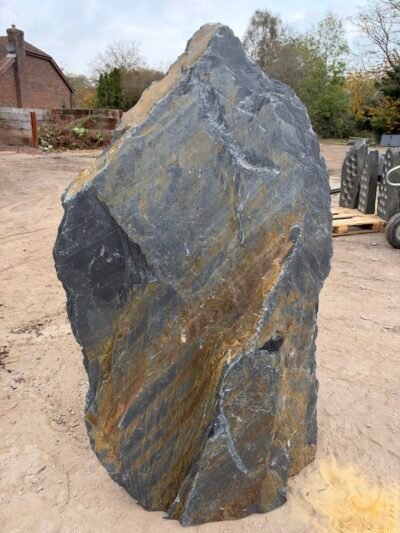
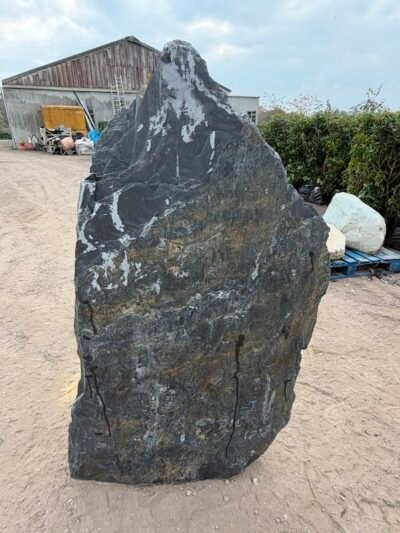
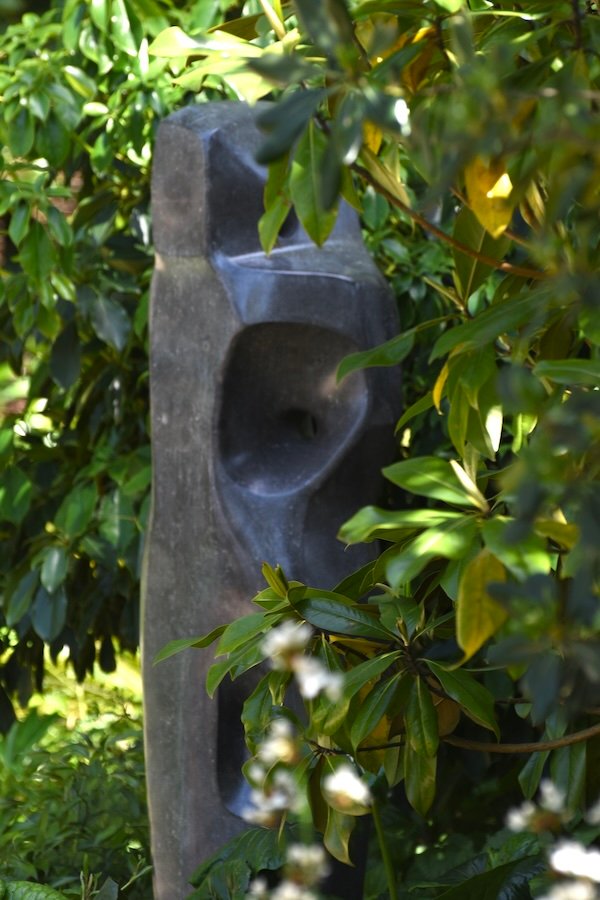
Height and structure are vital for breaking up flat expanses of lawn or patio paving. Tall, rough-hewn slate monoliths function as living garden sculptures, bringing the rugged character of Eryri directly into domestic settings.
Placing a single, dramatic slate pillar among soft ornamental grasses establishes a striking juxtaposition between hard geology and delicate movement. In smaller urban gardens, vertical slate features draw the eye upward, giving the illusion of greater space without consuming valuable ground area.
3. Layer Textures with Decorative Slate Chippings and Slate Waste
Low-maintenance gardening does not require sacrificing visual interest. Using dark slate chippings as a ground cover or mulch offers a neat finish that suppresses weeds and retains soil moisture during dry spells.
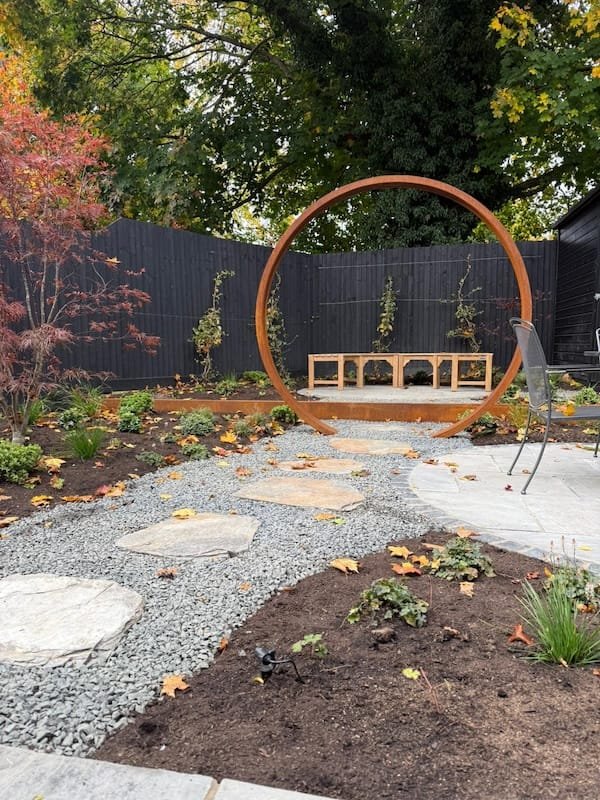
In modern design schemes, contrasting pale rendered walls or light timber decking with dark slate paddlestones adds immediate depth. The angular shape of crushed slate locks together underfoot, creating stable pathways that look crisp in dry weather and dramatically dark after rain.

4. Form Defined Borders and Dry Stone Retaining Walls
Segmenting a garden into clear functional zones is a core principle of modern landscape architecture. Raised beds and low retaining walls constructed from natural slate cladding or stacked slate pieces add crisp structural lines while managing ground level changes.
Unlike uniform brickwork, hand-stacked slate displays natural variations in grain, texture, and colour. This organic irregularity soft-builds the boundary between deliberate architectural design and the natural environment.
5. Inlay Natural Slate Steps and Paving Accents
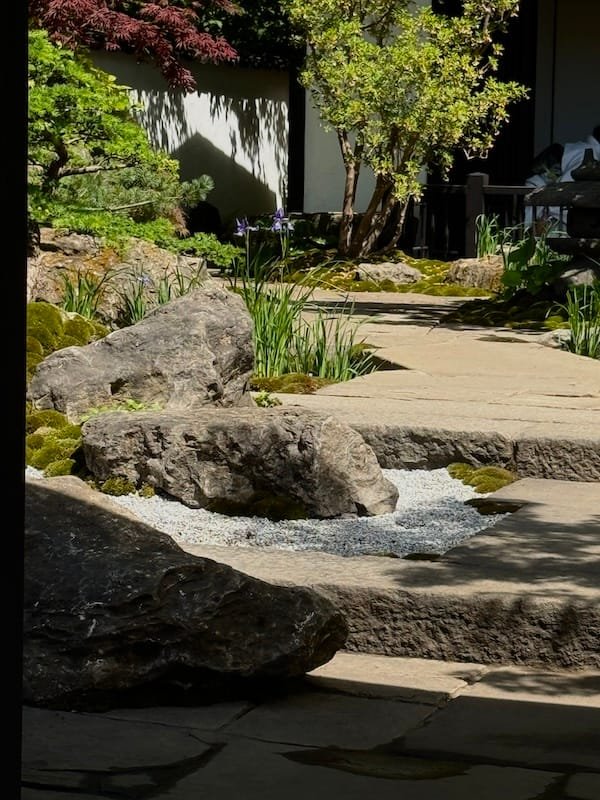
Stepping stones and pathway inlays guide visitors through an outdoor space while protecting delicate lawn areas. Flat slabs of natural slate provide a robust, non-porous surface that easily withstands British winters without cracking from frost.
Integrating smooth slate slabs alongside gravel, timber sleepers, or mossy ground cover adds a contemporary geometric rhythm to garden walkways, ensuring your outdoor layout feels both intentional and timeless.