
Mossy Stone Boulders
Mossy Stone Boulders
There is something quietly magical about mossy stone boulders. Hidden along forest trails, resting beside streams, or scattered across woodland floors, these ancient stones carry a sense of calm and timeless beauty. Draped in soft layers of vibrant green moss, they seem almost alive, blending the strength of rock with the delicate resilience of plant life. While they may appear simple at first glance, mossy stone boulders are small wonders of the natural world, telling stories of patience, age, and the quiet rhythms of nature.
The Beauty of Moss and Stone
The contrast between rough stone and soft moss is what makes mossy boulders so visually captivating. Stone is strong, solid, and unchanging, formed over thousands or even millions of years. Moss, on the other hand, is delicate and slow-growing, thriving in damp, shaded environments where other plants may struggle to survive.
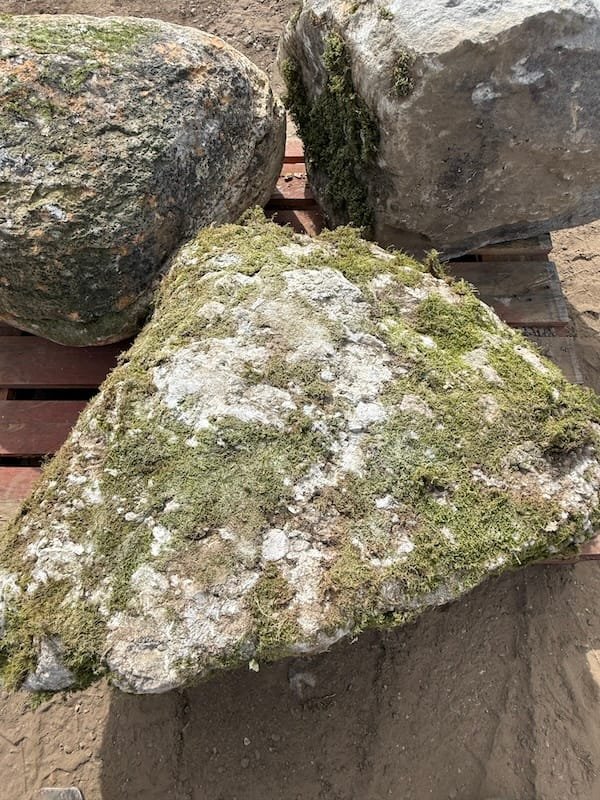
When moss settles on a stone boulder, it creates a natural partnership. The porous surface of the rock holds moisture, while the moss uses that moisture to grow and spread. Over time, the moss forms a soft, carpet-like layer that blankets the rock, turning cold gray stone into a lush green feature within the landscape.
Sunlight filtering through trees can make these moss-covered surfaces glow in shades of emerald and deep green. After rainfall, the moss becomes especially vibrant, absorbing water and appearing fuller and softer. The result is a natural texture that artists, photographers, and nature lovers often find irresistible.
Where Mossy Stone Boulders Are Found
Mossy stone boulders can be found in many natural environments around the world, but they are especially common in places where moisture, shade, and stable conditions allow moss to thrive. Woodlands and forests are ideal locations, as tree canopies create the cool, damp environments moss prefers.
You might notice moss-covered boulders along:
- Forest hiking trails
- Riverbanks and stream edges
- Shaded mountain slopes
- Old stone walls and ruins
- Woodland gardens and parks
In many cases, these stones were formed or moved long ago by natural forces such as glaciers, landslides, or erosion. Some boulders may have traveled great distances before settling into their current location. Over centuries, moss gradually colonizes the rock surfaces, slowly transforming them into the green-covered stones we see today.
A Tiny Ecosystem on Stone
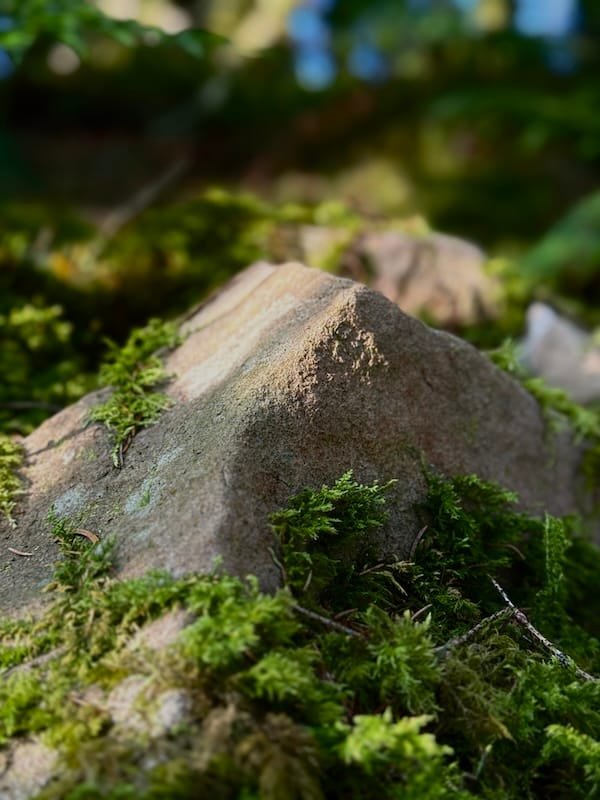
Although mossy boulders may appear simple, they often support surprisingly rich ecosystems. The damp surface of moss creates a microhabitat where small organisms can live and thrive.
Tiny insects, beetles, and spiders often find shelter in the soft moss layers. Moist crevices within the rock can host microorganisms, fungi, and even small seedlings that attempt to grow in the collected soil and organic matter. In this way, moss-covered boulders become miniature islands of biodiversity.
Water also plays an important role. Moss acts like a sponge, absorbing and holding moisture. This stored water helps maintain humidity around the rock, which can benefit nearby plants and organisms. During dry periods, moss slowly releases moisture back into the surrounding environment, helping maintain balance in the forest ecosystem.
The Slow Art of Moss Growth on Stones
One of the most fascinating aspects of moss is its slow and steady growth. Unlike fast-growing plants, moss spreads gradually, sometimes taking many years to cover a single rock. This slow pace contributes to the timeless feeling mossy boulders often evoke.
Moss reproduces through spores rather than seeds. These microscopic spores travel through the air and settle on surfaces where moisture and shade allow them to grow. If the conditions are right, the spores develop into new moss plants that gradually spread across the stone.
Because moss lacks traditional roots, it absorbs water directly through its leaves. This is why damp environments are so important for moss growth. Rocks that remain shaded and slightly moist provide the perfect surface for moss to flourish.
Over decades or centuries, this slow process can transform an ordinary stone into a thickly carpeted green boulder that feels almost like part of the living forest floor.
Mossy Stone Boulders in Landscapes and Gardens
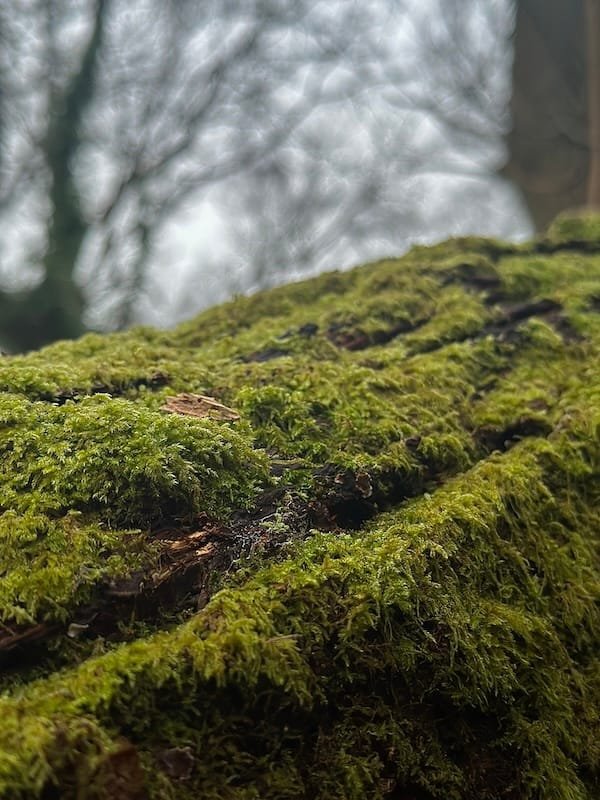
Beyond their presence in wild forests, mossy stone boulders have also inspired gardeners and landscape designers. Many traditional garden styles, especially those inspired by nature, incorporate stone and moss to create a peaceful and balanced atmosphere.
Large stones placed in gardens can eventually develop natural moss growth if the environment is right. Shaded areas, gentle watering, and stable conditions encourage moss to grow on stone surfaces. Over time, this can give gardens an aged, tranquil appearance that blends seamlessly with nature.
Moss-covered stones are often used to create focal points in garden landscapes. Their textures and natural shapes provide contrast against plants, pathways, and water features. The result is a design that feels organic rather than artificial.
In some cultures, moss is even seen as a symbol of harmony, patience, and the beauty of aging gracefully. Gardens that feature mossy stones often aim to capture these qualities, creating spaces where visitors can relax and reflect.
Please see a recent blog post Slate Boulder SB89 Water Feature Case Study of an installation in Central London where a client integrated moss into this Japanese Zen garden design.
Mossy Stone – A Photographer’s Dream
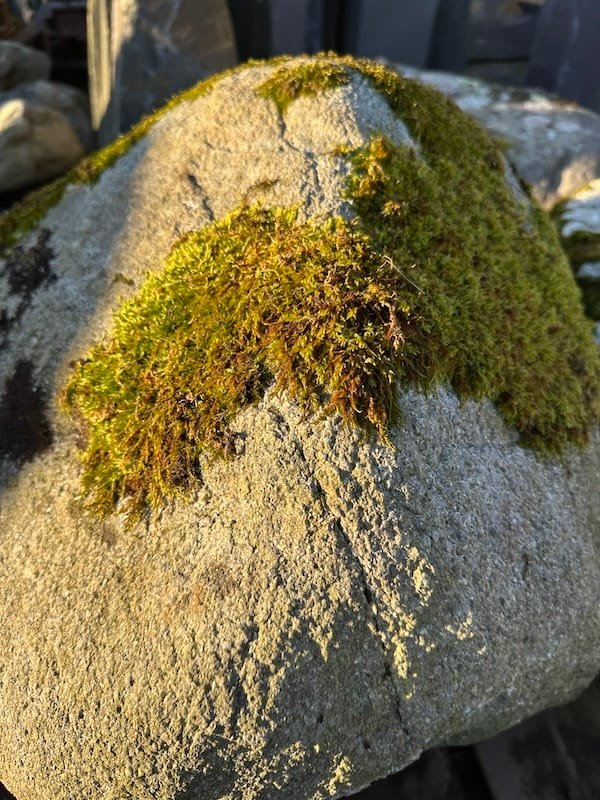
For nature photographers, mossy stone boulders offer endless creative opportunities. Their rich textures, natural patterns, and deep green colors make them ideal subjects for close-up photography.
Lighting plays a big role in capturing the beauty of moss-covered rocks. Soft, diffused light—such as early morning or cloudy conditions—helps highlight the delicate structure of moss without harsh shadows. After rainfall, moss appears especially vivid and lush, making it an excellent time for photography.
Photographers often focus on small details such as:
- The intricate structure of moss leaves
- Droplets of water clinging to green surfaces
- The contrast between moss and rough stone textures
- Fallen leaves resting on moss-covered rocks
These small moments reveal the hidden beauty of nature that might otherwise go unnoticed.
The Symbolism of Mossy Stones
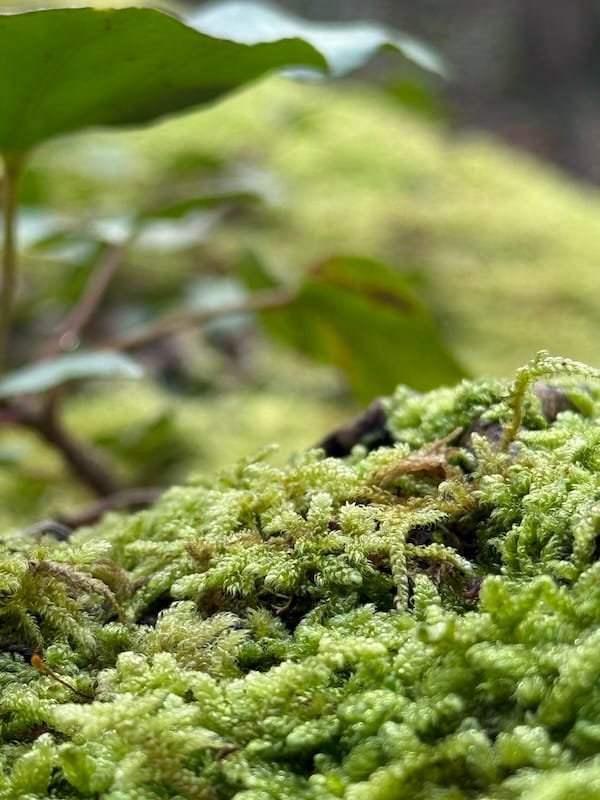
Mossy boulders often evoke deeper feelings beyond their physical beauty. Because moss grows slowly and stones endure for centuries, these natural features are often associated with ideas of time, patience, and resilience.
A moss-covered stone can represent the passage of years, quietly witnessing changing seasons and landscapes. The moss itself symbolizes persistence—growing little by little until it blankets the surface in green.
This combination of endurance and gentle growth reminds us that nature does not rush. The beauty we see in mossy boulders is the result of countless small moments unfolding over long periods of time.
For many people, encountering mossy stones during a walk in the woods brings a sense of calm. They serve as natural reminders to slow down, breathe, and appreciate the quiet details of the world around us.
Protecting Natural Moss Habitats
While moss is resilient, it can also be sensitive to environmental changes. Pollution, deforestation, and excessive disturbance can affect moss growth and the ecosystems it supports.
When visiting natural areas with moss-covered stones, it is important to treat them gently. Avoid stepping on moss or scraping it from rocks, as this can damage growth that may have taken years to develop.
Staying on designated trails and respecting natural environments helps preserve these delicate habitats. By protecting moss and the ecosystems around it, we ensure that future generations can enjoy the quiet beauty of mossy boulders as well.
A Quiet Wonder of Nature
In a world filled with dramatic landscapes and towering mountains, mossy stone boulders remind us that beauty often lies in the smallest details. These humble stones, softened by layers of green moss, embody the patience and balance of nature.
They do not demand attention or stand as grand monuments. Instead, they rest quietly within forests and landscapes, blending strength and softness in perfect harmony. For those who pause long enough to notice them, mossy stone boulders reveal a peaceful side of nature that is both timeless and inspiring.
Next time you walk through a woodland path or explore a quiet forest trail, take a moment to look down at the stones around you. You might find a mossy boulder resting quietly beneath the trees, its green surface glowing softly in the filtered light.
And in that simple moment, you may discover that one small stone can hold centuries of natural beauty within it.
If you have enjoyed reading this blog post then another interesting read on this topic is The Magic of Moss over on the RHS Website.
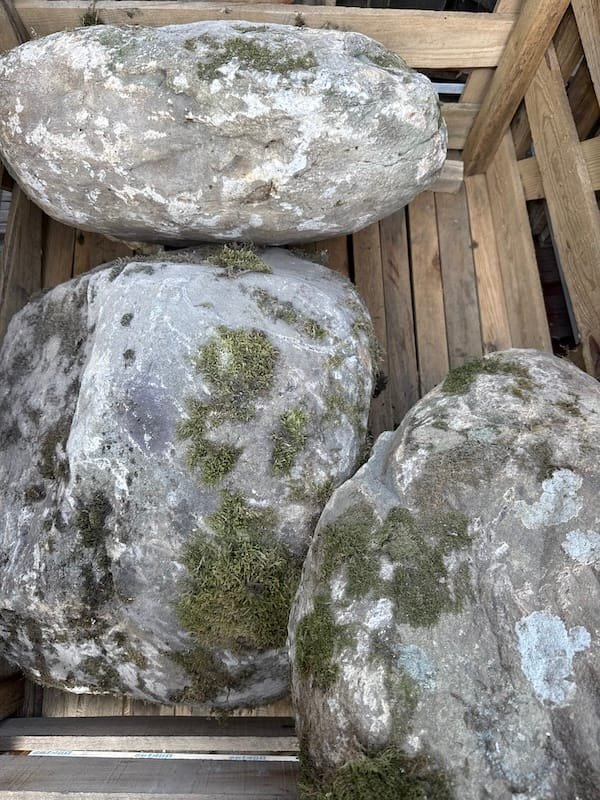
Mossy Stone Boulders 600-800mm
Mossy Stone Boulders 600-800mm are beautiful large rounded boulders covered in moss, perfect for that instant aged, weathered look. Also suited to a Japanese Garden Design. Free UK Delivery.
- Mossy Stone boulders ranging between 600-800mm
- Only 12 available
- Price is per single stone including delivery
- Free UK Delivery
12 in stock