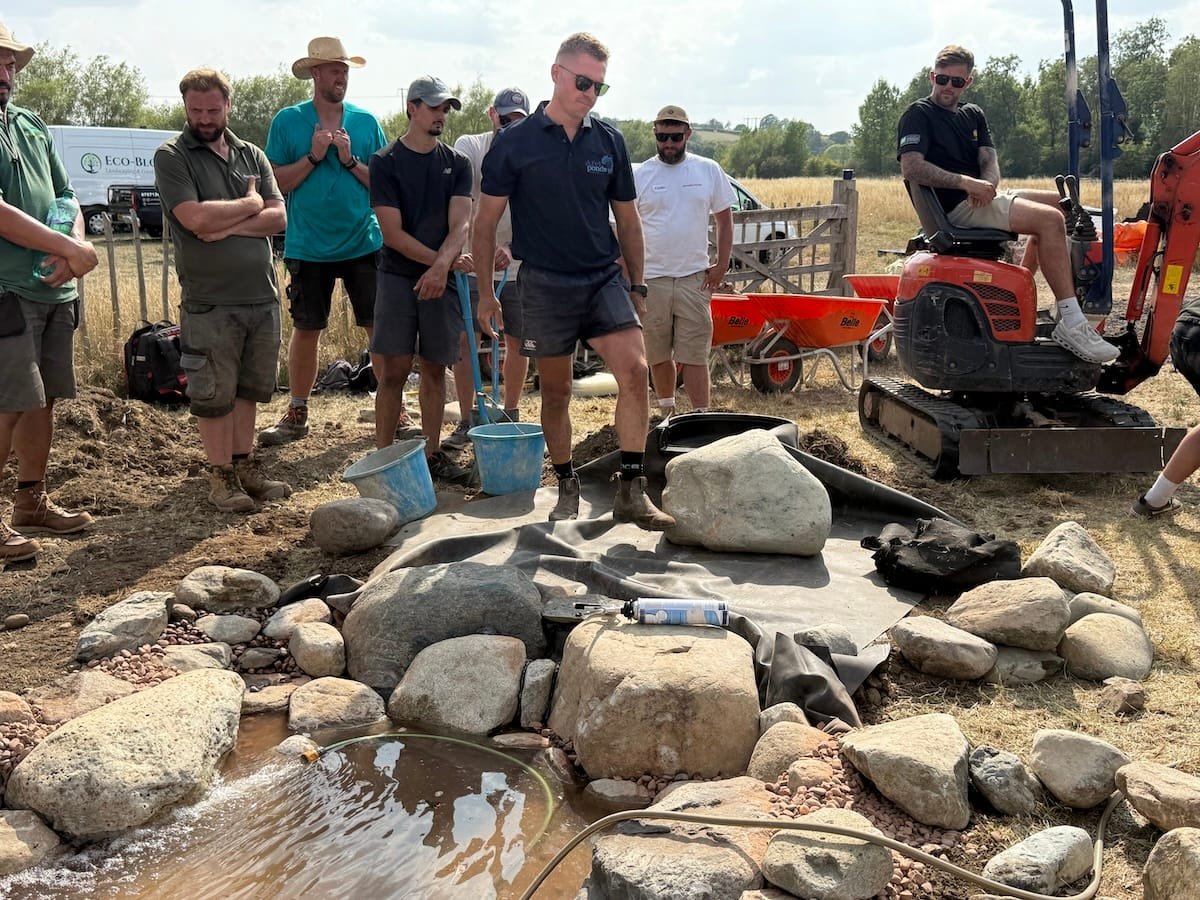
How To Build an Ecosystem Pond
Building an ecosystem pond is one of the most rewarding projects you can take on in your garden. Unlike traditional ponds that rely heavily on pumps, filters and chemical treatments, an ecosystem pond is designed to work with nature, not against it. By balancing water, plants, stone, wildlife and beneficial bacteria, you can create a natural mini-habitat that is self-sustaining, low maintenance and full of life. In this guide, we’ll walk you through everything you need to know about how to build an ecosystem pond from start to finish.
What Is an Ecosystem Pond?
An ecosystem pond is a water garden built to mimic the processes of nature. Instead of mechanical filters doing all the work, it relies on a healthy balance between plants, stones, fish, microorganisms and organic processes. A properly built ecosystem pond will stay clear, clean and stable with very little intervention.
Key components include:
- A skimmer to collect surface debris
- A biological waterfall filter to house beneficial bacteria
- Aquatic plants to oxygenate and filter the water
- Rocks and gravel to provide surface area for microbes
- Fish (optional) to help manage algae and nutrients
- A circulation system to keep water moving
The result is a natural water body that is both functional and beautiful which can be enjoyed all year round.
Step 1: Choose the Right Location
Selecting the right position for your ecosystem pond is crucial. Aim for an area that receives 4–6 hours of sunlight per day. Too much shade will limit plant growth, and too much sun can lead to excessive algae. A good pond builder or garden designer may well draw up plans with options of the best place to be situated in your own garden.
Avoid placing your pond:
- Under large trees (falling leaves create debris)
- In boggy or low areas that flood easily
- Against property boundaries where access is limited
Choose a location where the pond can be easily viewed, enjoyed and maintained. A common design principle employed by garden designers is line of sight from the property. This may be near a conservatory or within eye line from a room within the house where you may spend a lot of time.
Step 2: Design the Shape and Size
Ecosystem ponds can be any size, but a depth of 600–900mm is ideal for stability, plant growth and fish. Incorporate planting shelves around the perimeter for marginals and taller aquatic plants.
Consider adding:
- A shallow beach area for wildlife
- A deeper zone for fish and heat stability
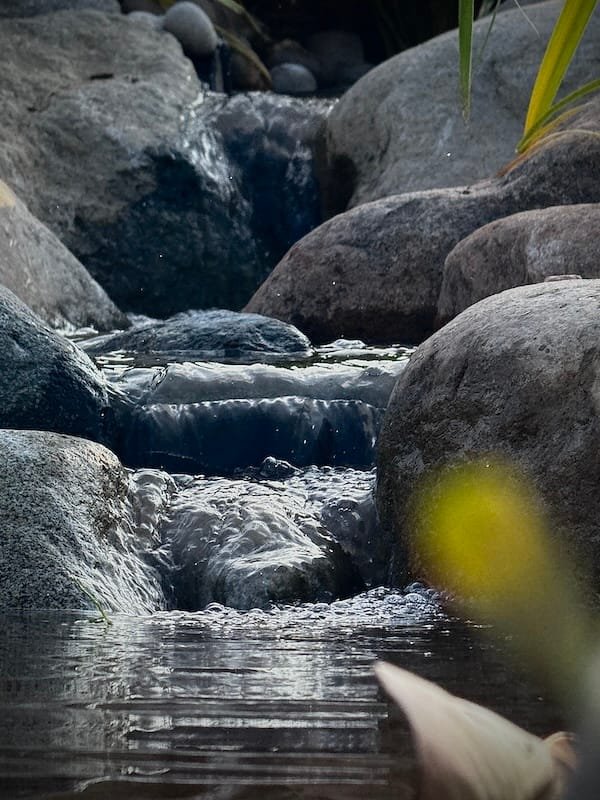
- A small stream or waterfall for movement and aeration
Sketch your design to scale before you start digging. Do your research and look online for previous designs so you can incorporate aspects in your own ecosystem pond build.
Step 3: Start Excavation
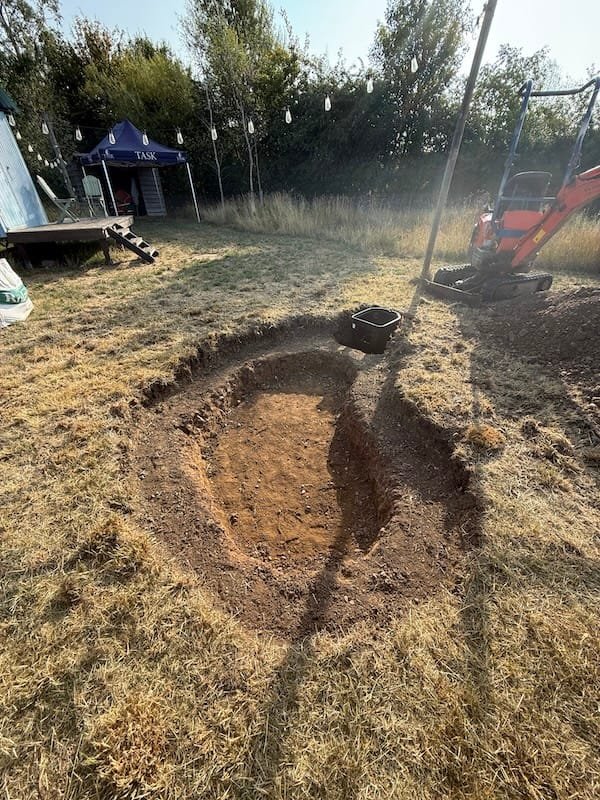
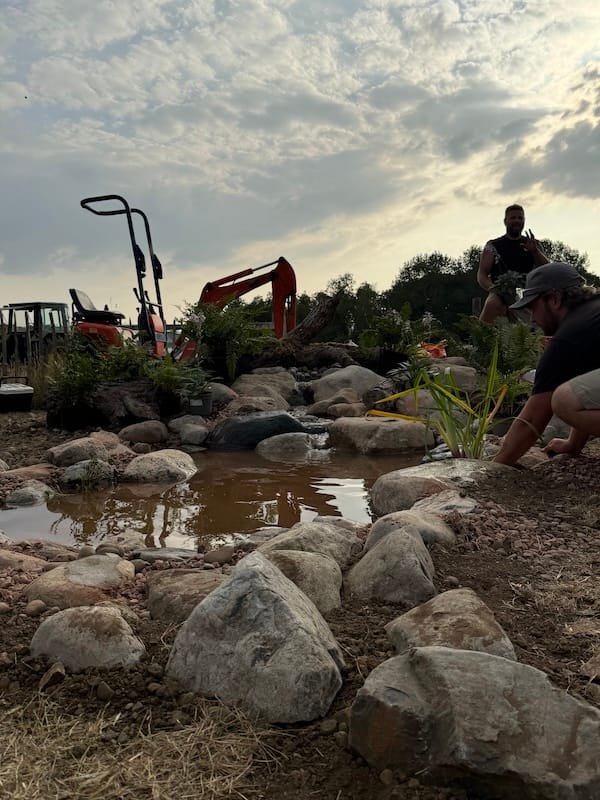
Begin by marking out your layout with rope, spray paint or a garden hose. Dig the pond in stages:
- Remove turf and topsoil
- Excavate shelves at different depths for marginals and lilies
- Dig the deeper central basin
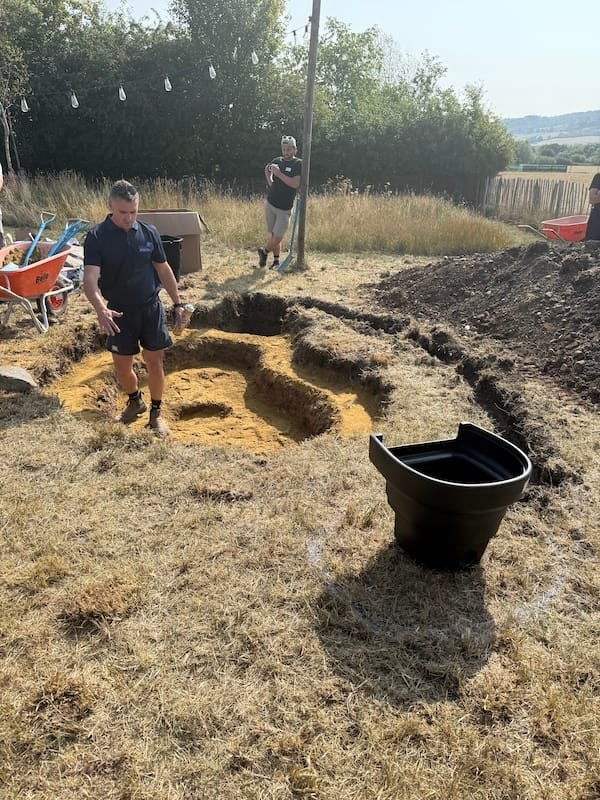
- Excavate a trench for pipework between the skimmer and the waterfall filter
Pile the excavated soil to form the base for your waterfall, or remove excess as needed. This can either be done by machine or hand dug dpeending on size.
Step 4: Prepare the Base and Install the Liner
Line the entire excavation with protective underlay to prevent punctures. Then install a high-quality EPDM or butyl pond liner, ensuring it fits into all shelves and contours without stretching. This stage should not be rushed and extra care taken to remove any sharp stones or objects so as not to pierce the liner.
Smooth out creases on your Ecosystem Pond Build and pin the liner temporarily around the edges with stones or pegs. Leave an overhang of at least 300mm around the perimeter.

Step 5: Install the Skimmer and Waterfall Filter
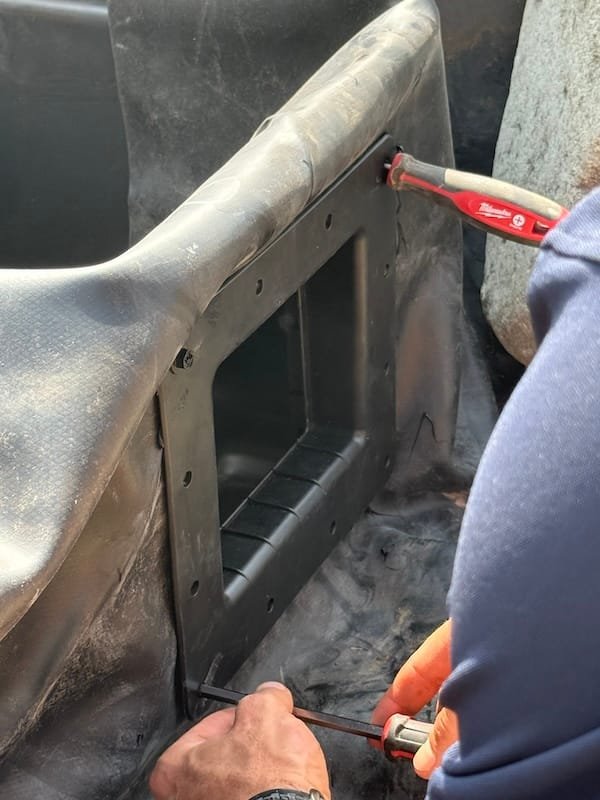
The skimmer should sit at water level on the pond’s edge. It removes floating debris, making maintenance easy. Install it at the lowest point of the edge and ensure the liner is properly sealed behind the faceplate. The skimmer is integral to maintaining a clean ecosystem pond but the filters do need regular maintenance and clearing to ensure they can work efficiently. This is a key step in your ecosystem pond build so be sure not to rush this stage.
At the opposite end, set your biological waterfall filter into the soil mound. This will become your filter box, housing beneficial bacteria that clean the water naturally. There are a number of options here and many will depend on the size of your ecosystem pond.
Run your flexible pipework from the skimmer to the waterfall filter before backfilling. Ensure all clips and hoses are tightnened to prevent any leaks.
Step 6: Add Rocks and Gravel
This is one of the defining features of an ecosystem pond and this is where all your hand work starts to emerge.
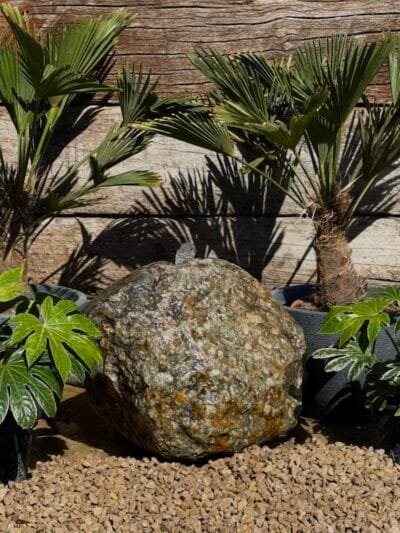
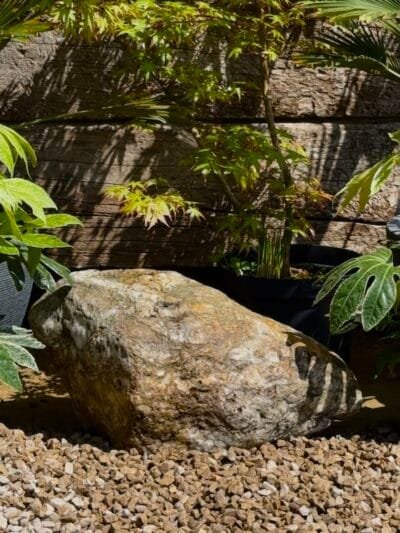
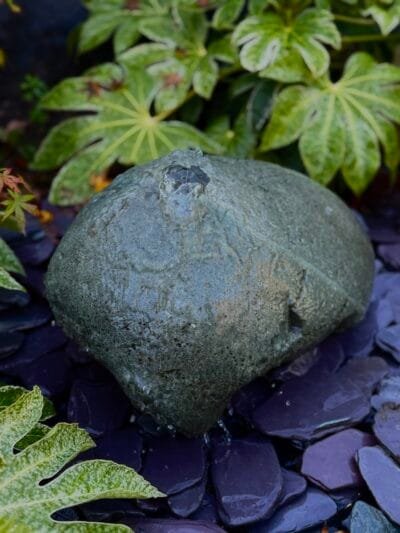
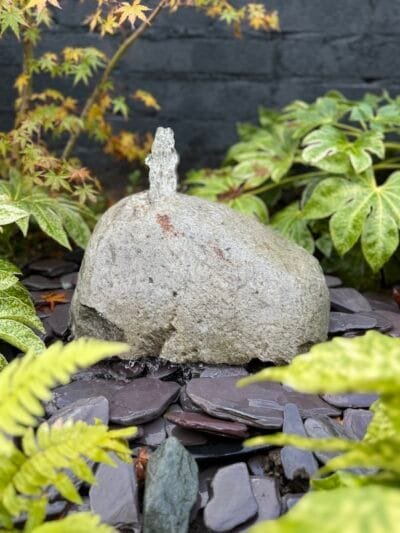
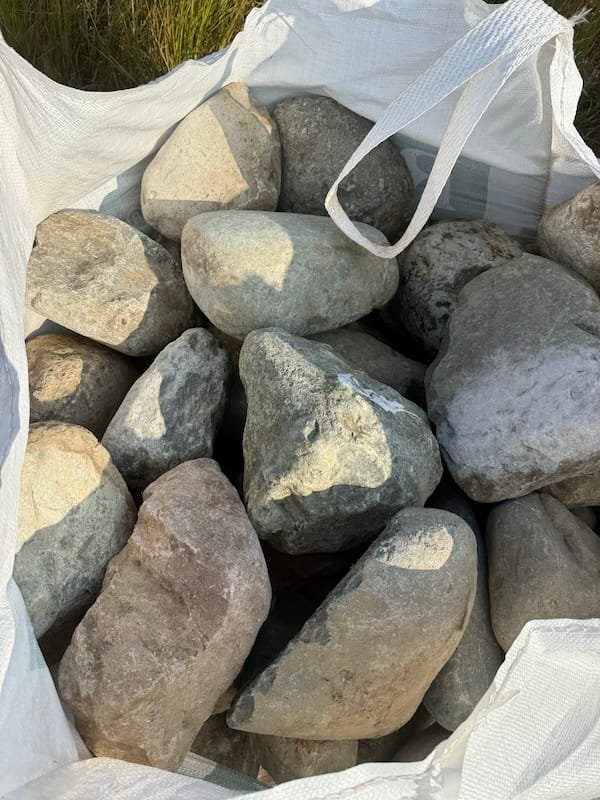
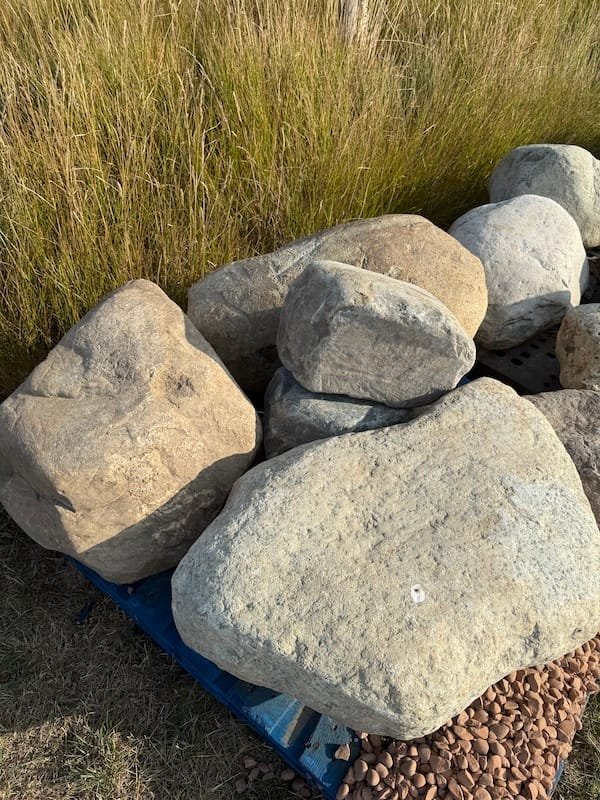
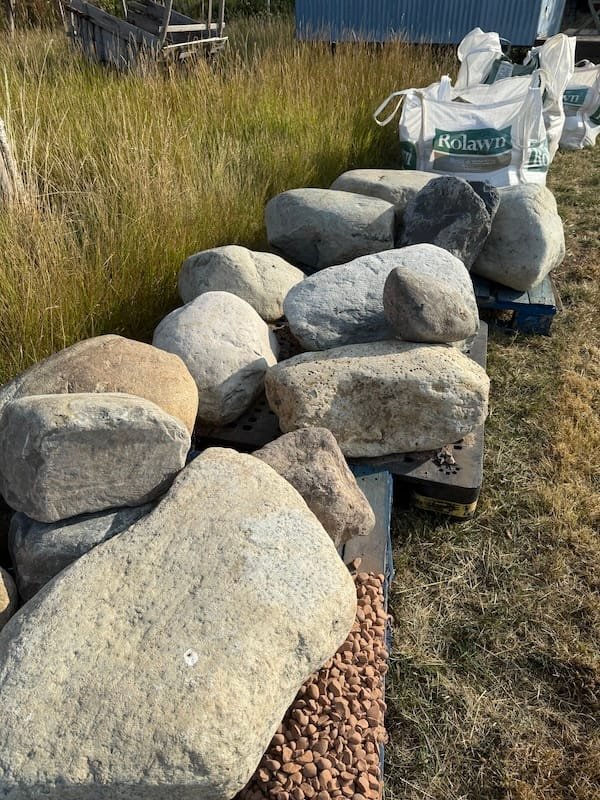
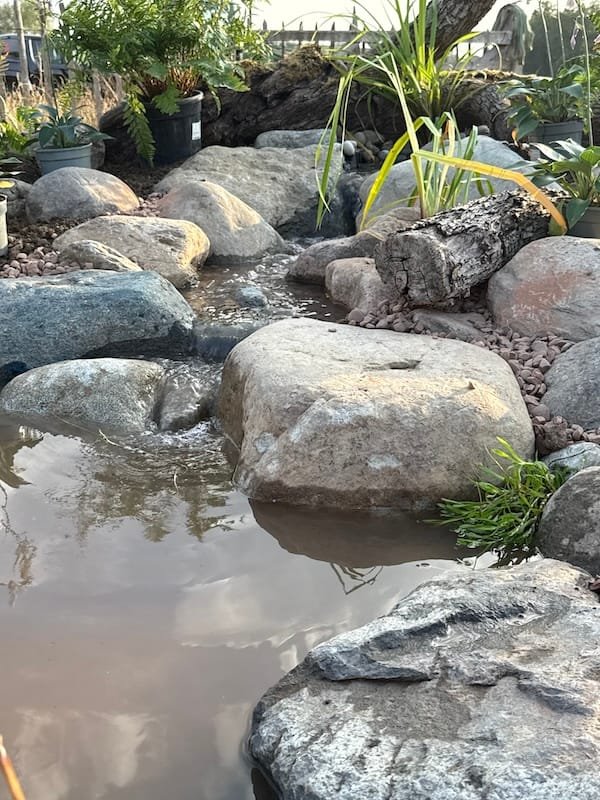
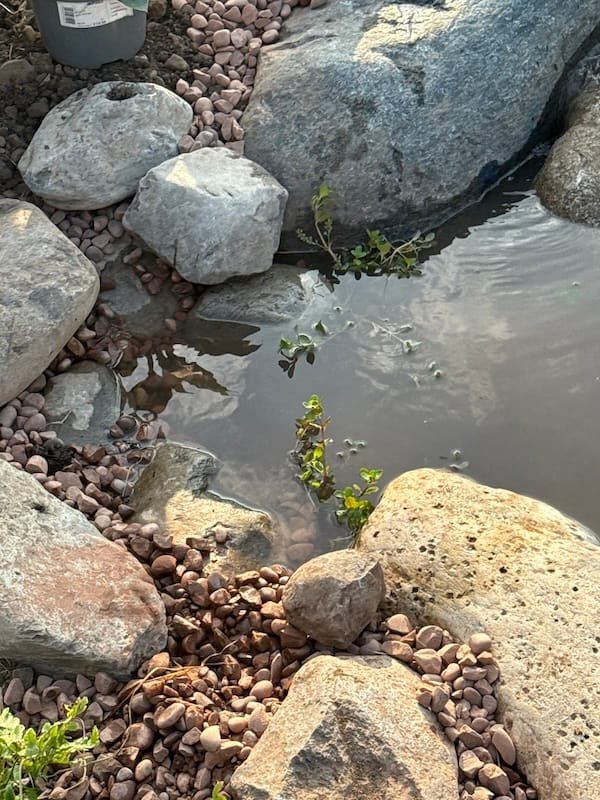
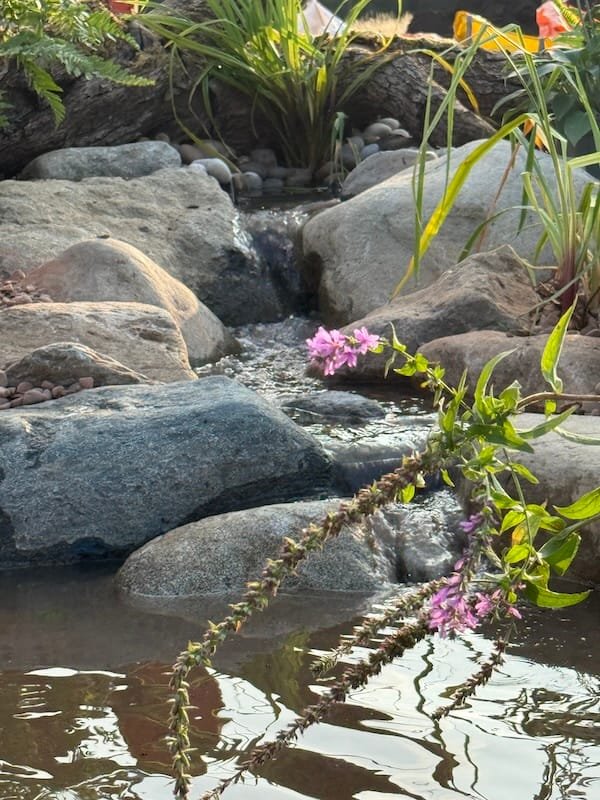
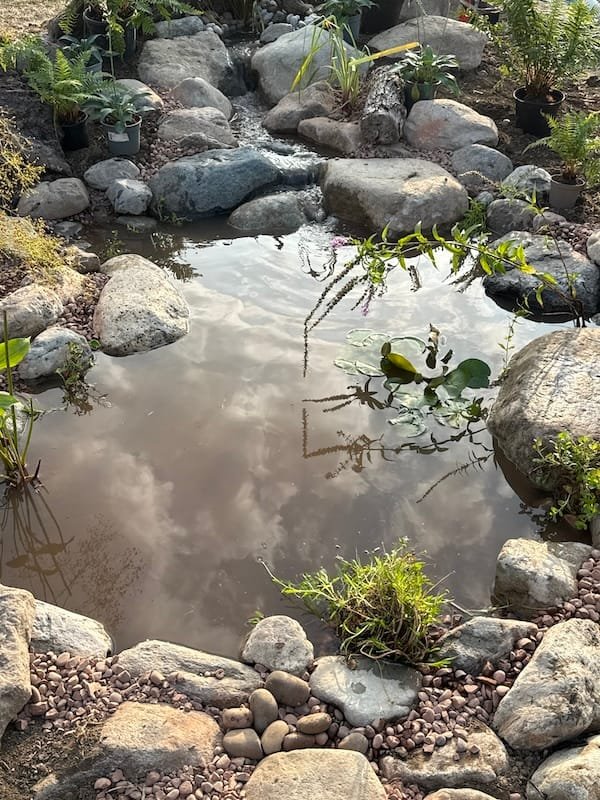
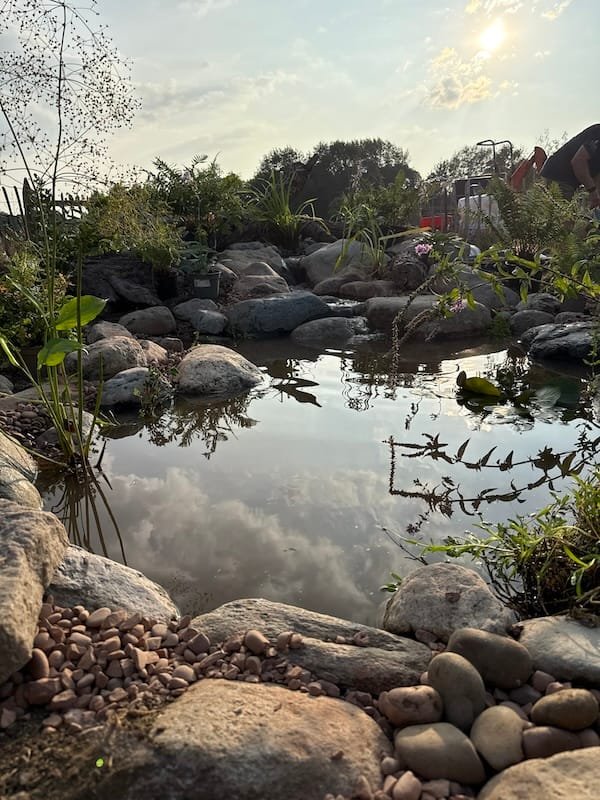
Line the pond shelves and deeper zones with glacial boulders, river stones, cobbles and decorative slate. Choosing the type and shape of stone is crucial to building a successful Ecosystem Pond and directing the flow of water correctly. Rounded glacial boulders work really well whilst larger flatter slates can be stacked and is easier to create walls and height. Cover the liner fully with gravel to provide surface area for beneficial bacteria. These microbes break down waste, helping to keep the water clear without chemical treatments.
Rocks also create natural hiding spaces for fish and help stabilise the pond’s edges. Boulders do not need to touch the next one, creating gaps can encourage more wildlife into your ecosystem pond. If space allows, try and line up near to pond to minimise handling multiple times.

Step 7: Fill the Pond and Start the System
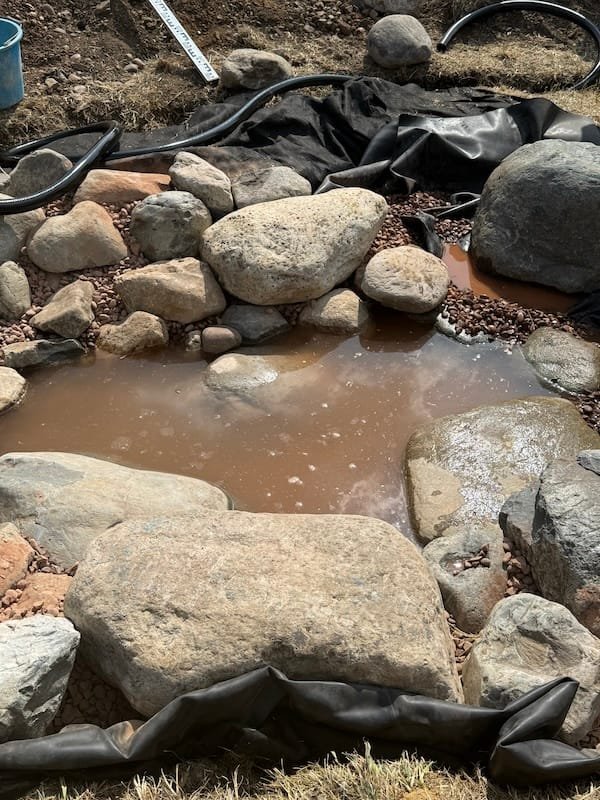
Begin filling the Ecosystem pond with tap water or harvested rainwater. As the water level rises, adjust the liner before securing it permanently around the perimeter.
Once full, turn on the pump and let water begin circulating from the skimmer to the waterfall. At this stage, the water may appear cloudy — this is normal and clears naturally over time. Check the flow of the water carefully and adjust any boulders as necessary.
Step 8: Add Plants
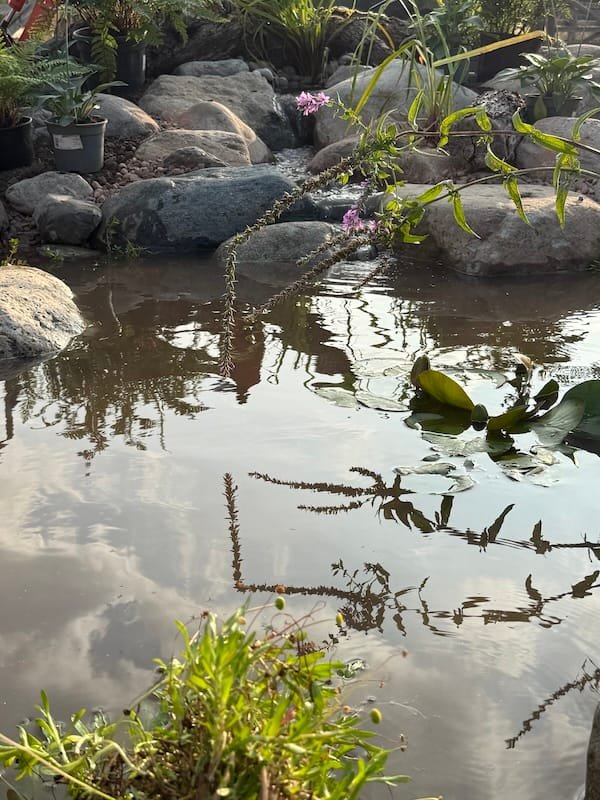
Aquatic plants are essential to a healthy ecosystem pond. Include a mix of:
- Marginal plants (irises, rushes, marsh marigold)
- Oxygenators (hornwort, elodea)
- Floating plants (water hyacinth, duckweed)
- Water lilies for shade and surface coverage
Plants absorb excess nutrients, reduce algae growth and support wildlife.
Aim for plants to cover around 50–70% of the pond surface at maturity. Adding these during your ecosystem pond build will maximise the efficiency of your pond.
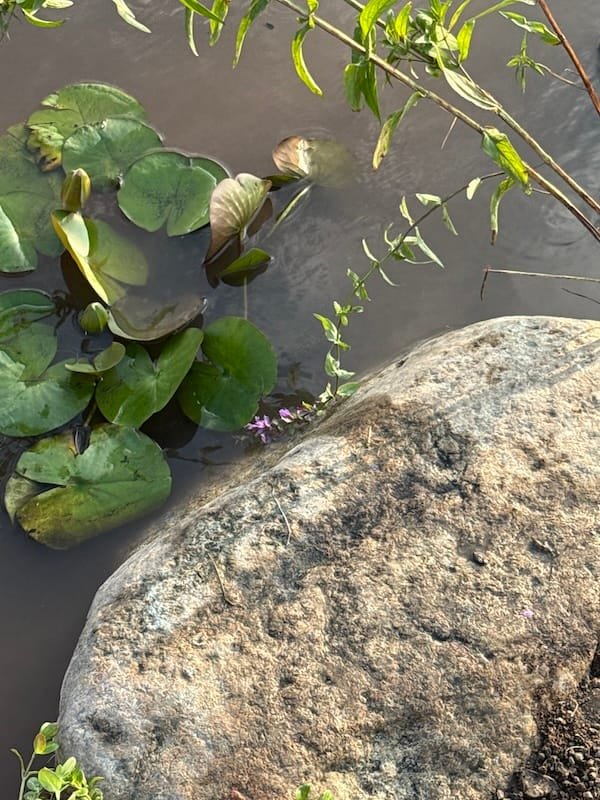
Step 9: Introduce Fish and Wildlife to your Ecosystem Pond
After a few weeks — once beneficial bacteria have colonised the rocks and gravel — you can add fish to your pond such as:
- Goldfish
- Shubunkins
- Koi (for larger ponds)
- Native species
Fish help control insects and algae while contributing nutrients that feed the ecosystem. Try not to overstock though.
Wildlife will arrive on its own. Expect dragonflies, frogs, beetles, birds and pollinators within weeks to your new ecosystem pond.
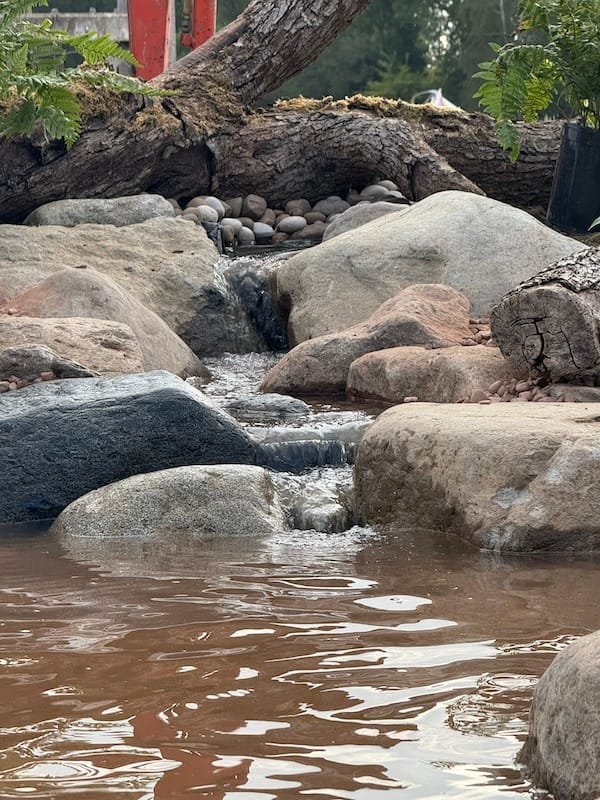
Step 10: Enjoy Low-Maintenance Ecosystem Pond Care
Ecosystem ponds require minimal maintenance once established. Your main tasks will be:
- Clearing leaves from the skimmer basket
- Topping up water during hot weather
- Cutting back plants in late autumn
- Rinsing filter media only when necessary (never with treated tap water)
Avoid draining or cleaning the pond completely — doing so disrupts the ecosystem.
Why Choose an Ecosystem Pond?
Building an ecosystem pond creates a natural, living water feature that enhances biodiversity and transforms your garden into a peaceful retreat. You get:
- Crystal-clear water without chemicals
- A thriving wildlife habitat
- Beautiful movement and sound from the waterfall
- A self-sustaining feature with very little upkeep
- A garden focal point that changes with the seasons
By working with nature instead of fighting it, you create a healthy, balanced and vibrant aquatic environment that will thrive for years to come.
There are a number of suppliers who sell the pond liner, skimmers, filters, stone, boulders etc. We have listed a few below that we would happily recommend;
Aquascape are a leading supplier of all the essential components for pond builds
Landscape Plus – Stock all of Aquascape Products but are Trade only
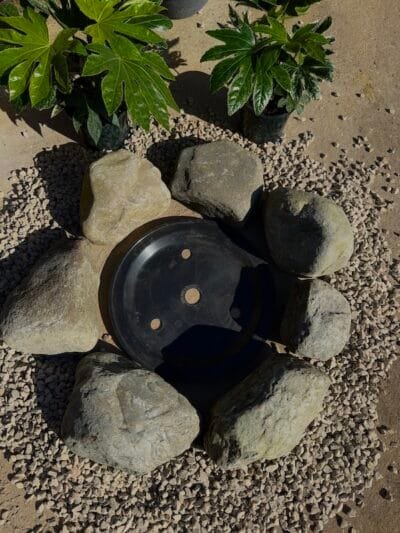
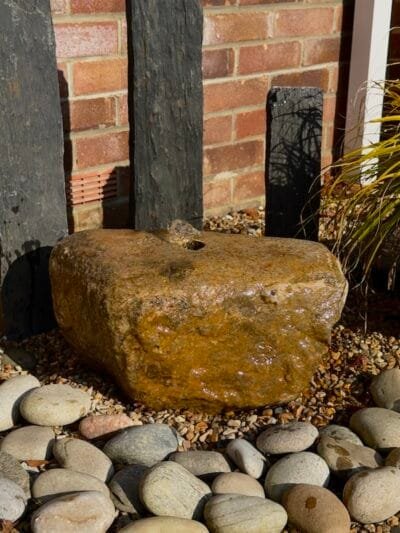
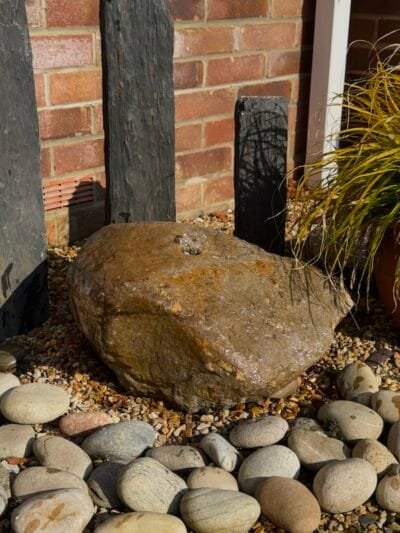
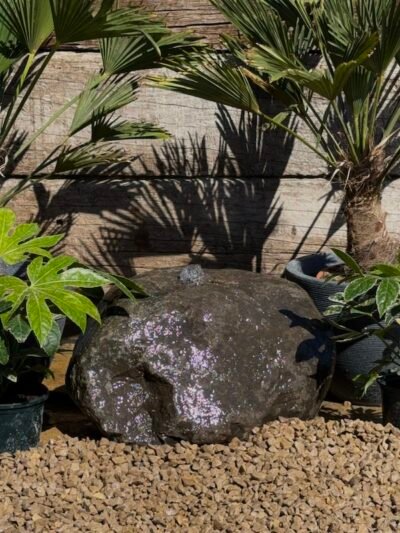
Browse our Boulders Categories for hand selected stones for use in Ecosystem Ponds and Waterfall designs.
Products by Category

Basalt Boulder Water Feature SB186
£395.00Glacial Boulder Reservoir Surround
Price range: £155.00 through £255.00Glacial Boulder SB130 Water Feature
Original price was: £425.00.£375.00Current price is: £375.00.Glacial Boulder SB131 Water Feature
£375.00Glacial Boulder SB145 Water Feature
Original price was: £495.00.£395.00Current price is: £395.00.Glacial Boulder SB148 Water Feature
Original price was: £595.00.£495.00Current price is: £495.00.Glacial Boulder SB164
Original price was: £450.00.£395.00Current price is: £395.00.Glacial Boulder Water Feature SB188
£250.00Glacial Boulder Water Feature SB190
£225.00