
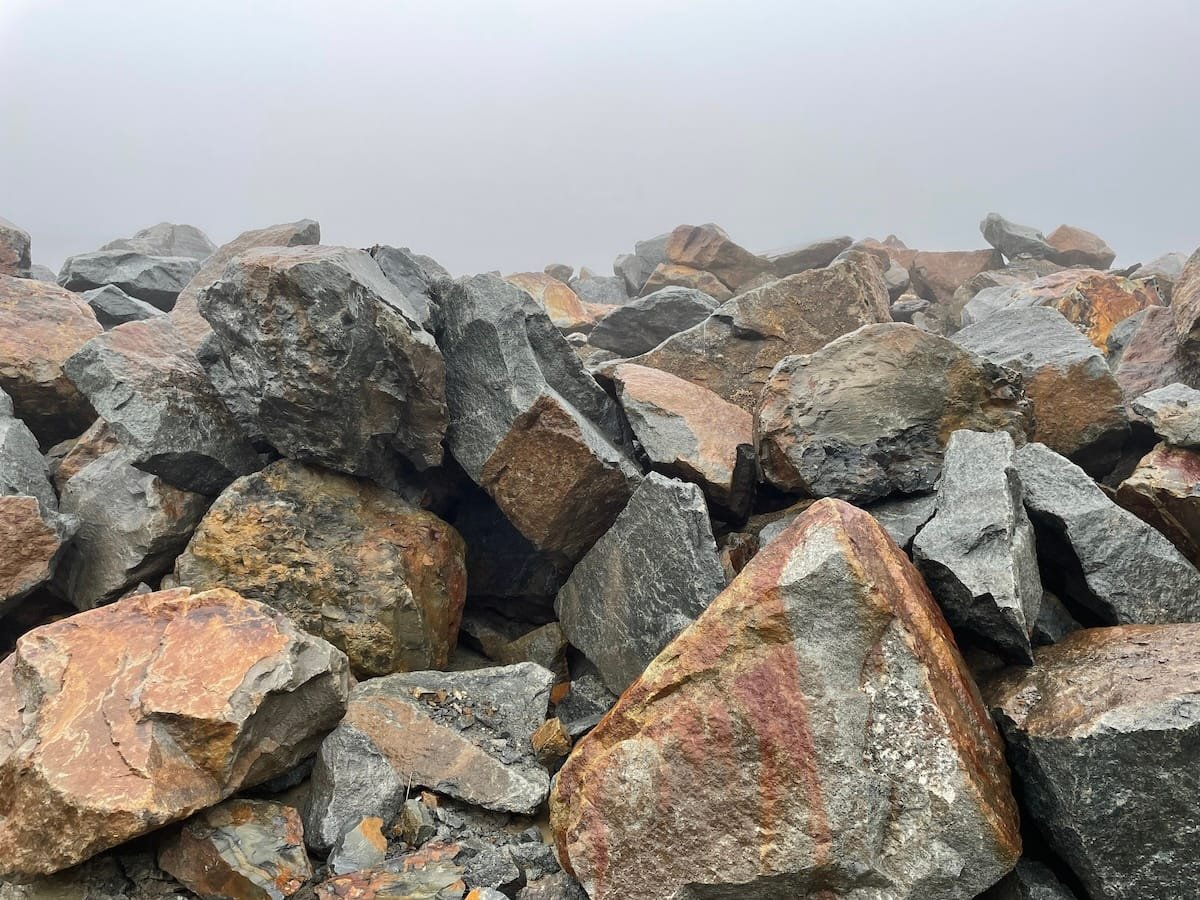
Traffic Management Boulders
Traffic Management Boulders: A Natural and Effective Solution for Safety and Landscape Design
In both public and private spaces, managing vehicle movement while maintaining an attractive environment can be challenging. Traditional traffic control measures such as metal bollards, barriers, and fencing often serve their purpose but can appear harsh, industrial, or visually intrusive. Increasingly, landscape designers, local authorities, commercial property owners, and private homeowners are turning to a more natural and aesthetically pleasing alternative: traffic management boulders.
These large natural stones provide a highly effective method of controlling vehicle access while blending seamlessly into outdoor environments. From protecting pedestrian areas to enhancing landscape design, traffic management boulders offer a practical, durable, and environmentally sympathetic solution. All of our stone used for barrier management is sourced from UK quarries.
What Are Traffic Management Boulders?
Traffic management boulders are large, strategically placed natural stones used to restrict or guide vehicle movement. They act as physical deterrents that prevent vehicles from accessing restricted areas while maintaining open, accessible spaces for pedestrians, cyclists, and wildlife.
Unlike artificial barriers, boulders provide subtle yet highly effective protection. Their natural appearance allows them to integrate into landscapes without creating the institutional or commercial feel often associated with metal or concrete traffic control systems.
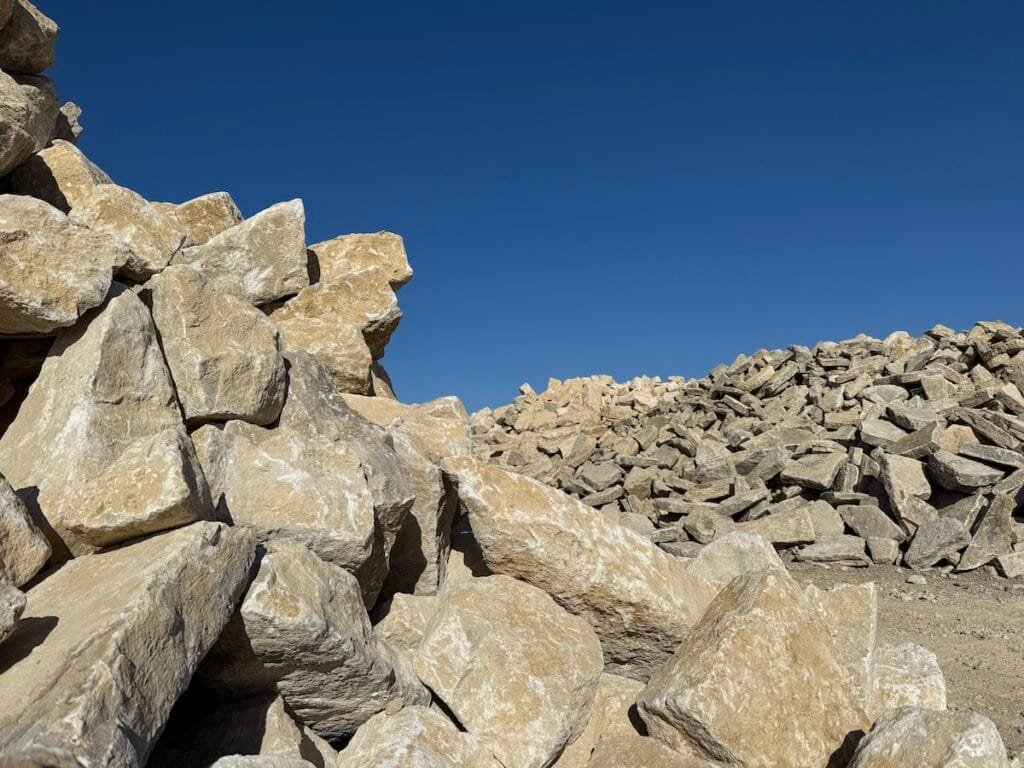
Why Natural Security Boulders Are Increasing in Popularity
1. Natural Aesthetic Appeal
One of the primary reasons natural stone boulders are becoming more widely used is their visual appeal. Natural stone complements green spaces, parks, rural pathways, and landscaped developments far better than industrial materials.
Each boulder features unique textures, colours, and natural weathering patterns formed over millions of years. This individuality adds character and authenticity to outdoor environments while maintaining safety.
2. Exceptional Durability
Natural stone is one of the most durable materials available. Traffic management boulders can withstand:
- Heavy impacts
- Extreme weather conditions
- Ground movement
- Long-term environmental exposure
Unlike wooden posts or manufactured barriers, boulders require virtually no maintenance and offer decades of reliable performance.
3. Environmentally Friendly Solution
Traffic management boulders are often sourced directly from natural quarrying or land clearance projects. This makes them a sustainable option compared to materials requiring extensive manufacturing or chemical treatments.
Their natural composition also supports wildlife habitats, encourages moss and lichen growth, and helps maintain ecological balance in landscaped environments.
4. Low Maintenance
Once installed, security boulders require minimal maintenance and upkeep. They do not rust, rot, or require repainting, making them a cost-effective long-term investment for both public and private spaces. They will also age and weather nicely over time.
Common Applications for Security Boulders
Traffic management boulders are incredibly versatile and can be used in a wide variety of settings.
Public Parks and Green Spaces
Local authorities frequently use boulders to prevent vehicles from driving onto grassed areas, footpaths, and recreational spaces. Their natural appearance helps preserve the open and welcoming feel of public parks while improving safety for visitors.
Rural Pathways and Countryside Access
In rural environments, traffic management boulders help protect footpaths, bridleways, and conservation areas from vehicle damage. They are particularly effective in maintaining access for walkers and cyclists while restricting unauthorised motor vehicles.
Car Parks and Commercial Developments
Retail parks, business premises, and visitor attractions often use boulders to:
- Define parking boundaries
- Protect pedestrian walkways
- Prevent vehicles from mounting kerbs
- Enhance landscaping design
- Help secure larger items such as Boats and Trailers
Residential Properties and Driveways
Homeowners increasingly use boulder barriers to prevent vehicles from driving onto lawns, flowerbeds, or private pathways. They provide both protection and decorative appeal.
Coastal and Flood-Prone Areas
In coastal or flood-risk environments, boulders can help stabilise ground and prevent erosion while controlling vehicle access to vulnerable landscapes. These are often referred to as rock armour aswell.
Design Benefits Beyond Traffic Control
Stone boulders offer more than just vehicle restriction. When incorporated into landscape design, they can significantly enhance the visual and structural quality of outdoor spaces.
Creating Natural Boundaries
Boulders provide subtle, organic boundaries that guide movement without creating a closed or restricted atmosphere. This is particularly valuable in public areas where accessibility and openness are important.
Enhancing Landscape Character
Natural stone features add texture, depth, and visual interest to otherwise flat or uniform environments. They can be combined with planting schemes, gravel areas, or water features to create cohesive design elements.
Supporting Wildlife and Biodiversity
Stone boulders can create microhabitats for insects, amphibians, and small animals. Over time, they often become integrated into natural ecosystems, supporting biodiversity within landscaped areas.
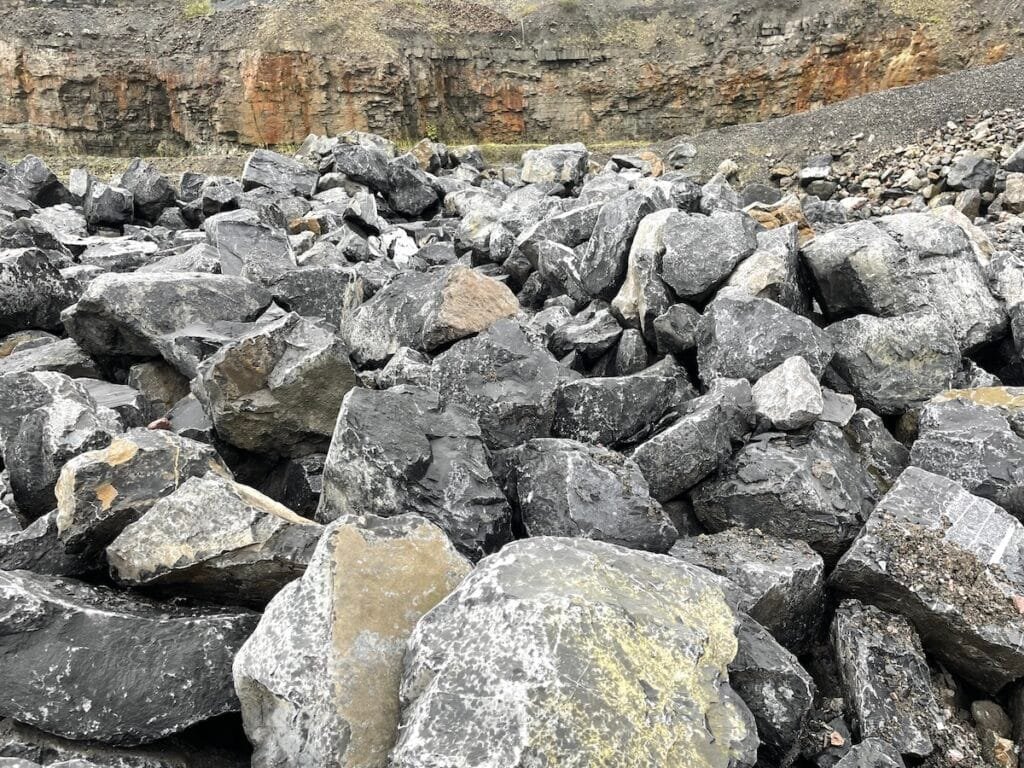
Choosing the Right Natural Security Boulders
Selecting appropriate boulders is essential to ensure both safety and visual success.
Size and Weight Considerations
Boulders must be large and heavy enough to deter vehicle movement effectively. Smaller stones may be moved or displaced by impact, reducing their effectiveness.
As a general guideline:
- Public spaces often require larger, heavier stones for maximum safety
- Private gardens may use smaller boulders primarily for decorative traffic control
Shape and Visibility
Rounded or irregular shapes tend to appear more natural, while flatter or taller stones can provide increased visibility. In high-traffic areas, it is important to ensure boulders are easily visible to drivers and pedestrians.
Colour and Stone Type
Different stone types offer varied colours and textures, including granite, sandstone, limestone, and slate. Choosing stone that complements surrounding landscaping helps create a cohesive design.
Installation Considerations
Proper installation is essential for ensuring natural stone boulders function safely and effectively.
Ground Preparation
Preparing a stable base prevents boulders from shifting over time. In many cases, boulders are partially buried to enhance stability and create a more natural appearance.
Spacing and Positioning
Correct spacing is crucial. Boulders should be positioned to prevent vehicle access while allowing safe pedestrian movement. In public spaces, spacing must also comply with accessibility guidelines.
Safety and Professional Installation
Due to their weight, natural stone boulders typically require mechanical lifting equipment and experienced installation teams. Proper placement reduces the risk of movement or instability. At Welsh Slate Water Features we can organise crane mounted delivery to minimise handling time.
Natural Stone Boulders vs Traditional Barriers
When compared to traditional traffic control solutions, boulders offer several advantages.
| Feature | Traffic Management Boulders | Traditional Bollards/Barriers |
|---|---|---|
| Visual Appeal | Natural and attractive | Industrial appearance |
| Maintenance | Minimal | Requires repainting or repair |
| Durability | Extremely long-lasting | Susceptible to damage or corrosion |
| Environmental Impact | Low | Often higher manufacturing footprint |
| Landscape Integration | Excellent | Often visually intrusive |
Long-Term Value and Investment
Although the initial installation cost of natural stone boulders may be comparable to other barrier systems, their longevity and minimal maintenance requirements often make them more cost-effective over time.
Additionally, their contribution to landscape aesthetics can increase the perceived value of public spaces, commercial developments, and private properties.
Future Trends in Landscape Traffic Management
As urban design and environmental awareness continue to evolve, natural materials are playing a larger role in infrastructure planning. Traffic management boulders are increasingly being used as part of sustainable landscape solutions that prioritise both safety and visual harmony.
Landscape architects are incorporating boulders into multifunctional designs that combine:
- Vehicle control
- Seating areas
- Artistic focal points
- Wildlife habitats
- Natural drainage systems
This approach reflects a growing shift toward environmentally integrated infrastructure.
Conclusion
Traffic management boulders represent a practical, durable, and visually appealing solution for controlling vehicle access across a wide range of environments. Their natural appearance allows them to blend seamlessly into landscapes while providing reliable protection for pedestrians, green spaces, and infrastructure. Large Boulders such as Quartz Boulder SB161 can be used as traffic barriers and look very natural and pleasing to the eye.
From public parks and commercial developments to private gardens and rural pathways, traffic management boulders offer a versatile and sustainable alternative to traditional traffic control measures. Their combination of strength, longevity, and aesthetic value makes them an increasingly popular choice for modern landscape design.
By carefully selecting and positioning these large boulders, property owners and designers can create safer, more attractive outdoor spaces that stand the test of time.
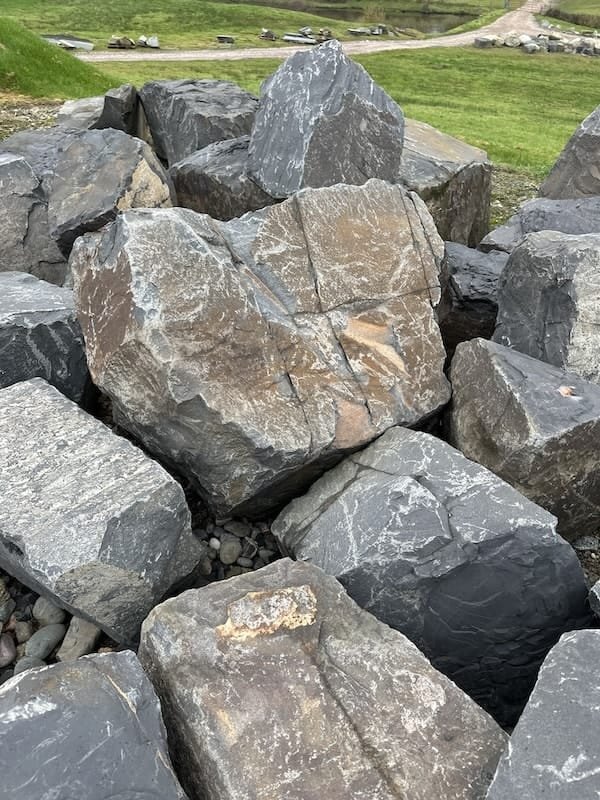
Traffic Management Boulders
Traffic Management Boulders priced individually.
Delivery is included in the price for stones upto 1200mm and weighing one tonne on a pallet with a courier.
For larger stones delivery is recommended via a hiab or crane assist and depends on distance travelled, as a guide between £250 and £1500 depending on distance. Alternatively the client can provide fork off load at delivery destination. Bulk discounts available.
Contact us now with bespoke requirements and we can supply a written quote.